Whale watching in Vancouver: Timings, location, visiting tips, & more

Organizing your visit

  1. Plan your visit
  2. Tour highlights
  3. How to get there
  4. Places to eat
  5. Places to shop
  6. Frequently asked questions

Where can I see whales in Vancouver?

Whale watching in Vancouver is truly an unforgettable adventure through the waters of the Salish Sea. Alongside the orcas, humpbacks, and gray whales, witness the stunning coastal scenery unfold. Tours depart from the Granville Island Adventure Center, which is conveniently located and offers a variety of tour types to choose from.

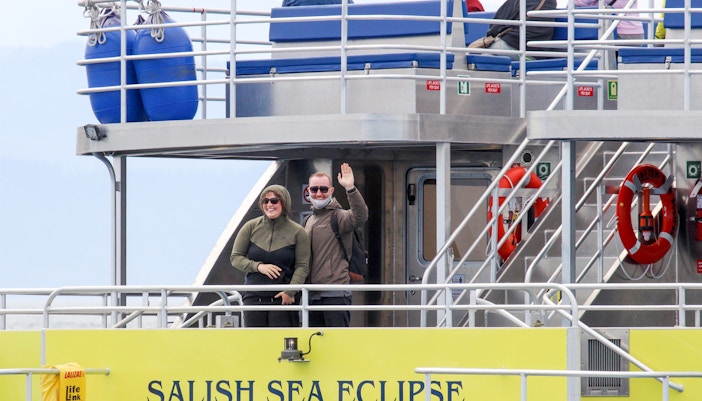
Guests waving on the Salish Sea Eclipse catamaran deck.

Travel logistics

Most Vancouver whale watching tours leave from Granville Island, right in the heart of downtown Vancouver at 1666 Duranleu Street. Easily accessible, you can walk to the departure point, take the #50 False Creek bus, or hop on the Aquabus ferry. Driving is also an option, but itis essential to note that parking fills up quickly, especially during peak seasons.
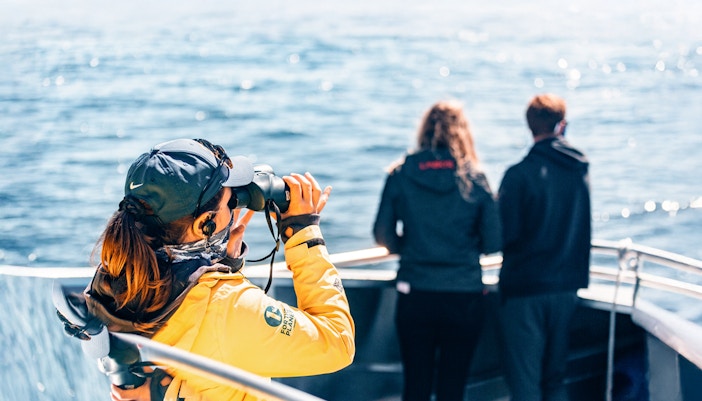
People on a boat during a whale watching tour, one using binoculars to view the ocean.

Plan your day

  • Quick visit (2–3 hrs): While most dedicated whale-watching tours are longer, you could still combine a shorter nearby cruise (or a “wildlife + city” sailing) with some time on Granville Island before or after.
  • Half day (3–5 hrs): This is the sweet spot—join a half-day tour from Granville Island and spend a few hours out on the water spotting whales, sea lions, and seabirds. 
  • Full day (6+ hrs): Some operators run full-day wildlife safaris from Granville Island, giving you a chance to explore farther out into the Salish Sea and potentially see more species. You can also explore the neighbourhood—grab a bite or pick up a souvenir.
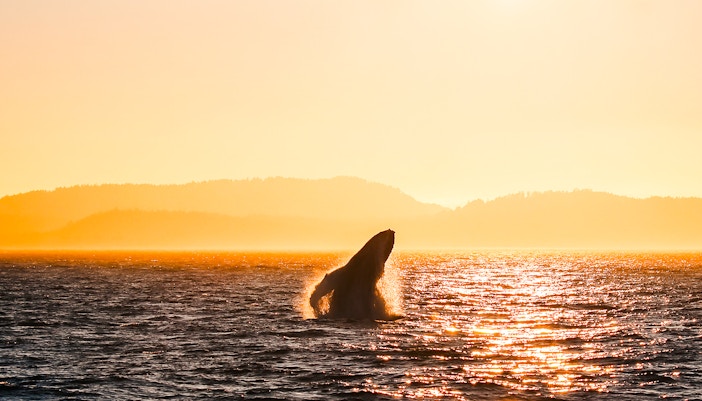
Whale breaching ocean surface at sunset with distant hills.

Handy tips

  • Tickets: Book ahead for weekends (at least 3 days in advance); check your confirmation for your specific boarding gate at Long Wharf.
  • Best times: Whale season is from May to September; May to July offers many humpback sightings, with mornings being the best for calmer seas.
  • Rules: Follow crew guidance when moving between decks; secure loose items during high winds.
  • Pro tip: Enjoy the flexibility to view from the custom-built outdoor platform or the comforts of the indoor heated cabins and carry layers, as temperatures offshore are significantly cooler than in the city.
  • Respect: You are visiting a marine sanctuary; avoid feeding or touching wildlife, and keep noise low during encounters.
Wildlife highlights on Vancouver whale watching tour

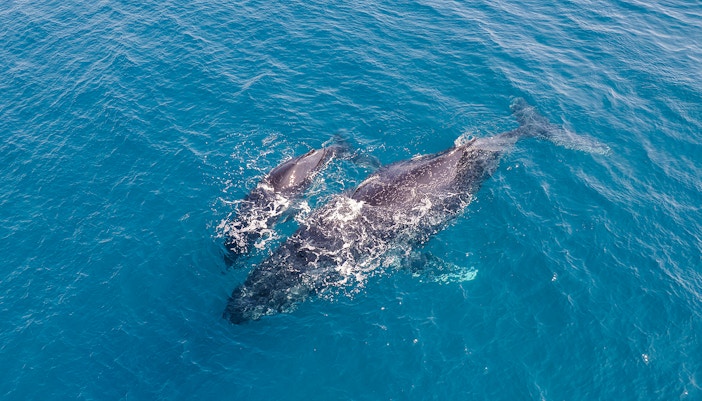
Aerial view of a humpback whale and calf swimming in clear blue ocean waters.

Humpaback whales

Seasonality: May–October (peak: June–September)
Majestic feeders, humpbacks lunge‑feed on krill and small fish, and you might even see them bubble-net feeding or tail-slapping.

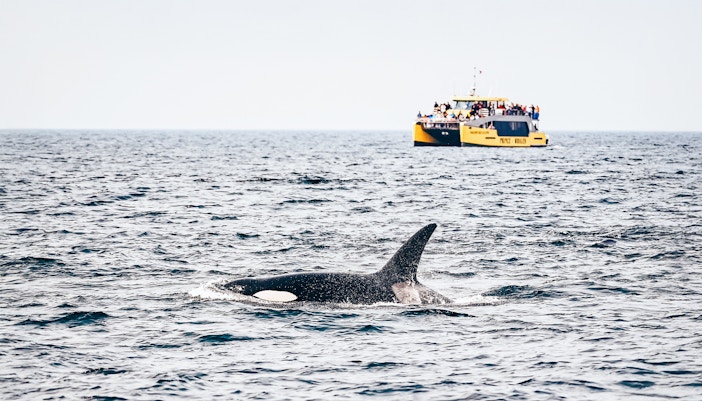
Orca whale swimming in the ocean near a whale watching tour boat, Victoria, Canada.

Orca whales (Killer whales)

Seasonality: April–October
You’ll often see these intelligent apex predators travel in tight pods, hunting marine mammals.

Steller sea lions resting on rocks during Vancouver Whale Watching Tour.

Sea lions

Seasonality: Spring & Fall
Playful and vocal, California and Steller sea lions haul out on rocks or buoys near the coast, often returning in large numbers seasonally.

Bald eagle perched on a rock during Vancouver Whale Watching Tour.

Bald eagles

Seasonality: Year-round (most consistent in spring/early summer)
You’ll likely spot bald eagles swooping low to snatch fish from the water —their majestic presence adds drama to the sky.

Harbour seals resting on rocks during Vancouver Whale Watching Tour.

Harbour seals

Seasonality: Year-round (particularly common in spring/summer)
These curious seals rest on rocky shorelines and reefs, or glide just below the water while keeping an eye on passing boats.

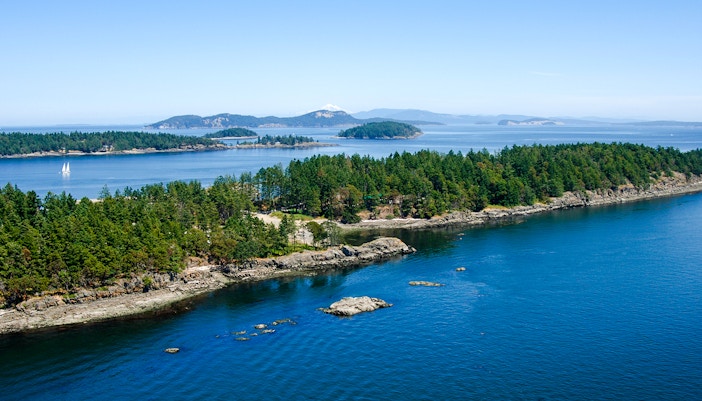
Aerial view of Vancouver Island and Southern Gulf Islands with lush forests and surrounding ocean.

City & coastal views

Seasonality: Year-round
From your boat, you’ll get sweeping views of Vancouver’s skyline, the Gulf Islands, and coastal forests—a perfect blend of urban and wild.

Getting to Granville Island, Vancouver

Man enjoying a bus ride, part of the "Getting there" tour experience.

Take the #50 False Creek South bus or hop on the Seabus to Waterfront Station, then transfer to a bus or walk to Granville Island.

  • Time: 15–30 min from downtown Vancouver
  • Cost: Standard TransLink fares apply (~$3–$4 one way)
  • Best for: Guests staying near transit lines or downtown hotels
  • Pros: Affordable, avoids parking stress, and reliable
  • Cons: Some walking required from stops; buses may be crowded during peak hours
Family walking across a crosswalk near a school building.

If you’re already exploring downtown Vancouver, Yaletown, or False Creek, walking or biking to Granville Island is a scenic and easy route.

  • Time: 10–20 min from nearby neighborhoods
  • Cost: Free; bike rentals extra if needed
  • Best for: Guests staying in central neighborhoods
  • Pros: Scenic, eco-friendly, healthy, no traffic
  • Cons: Weather-dependent; not ideal with heavy luggage
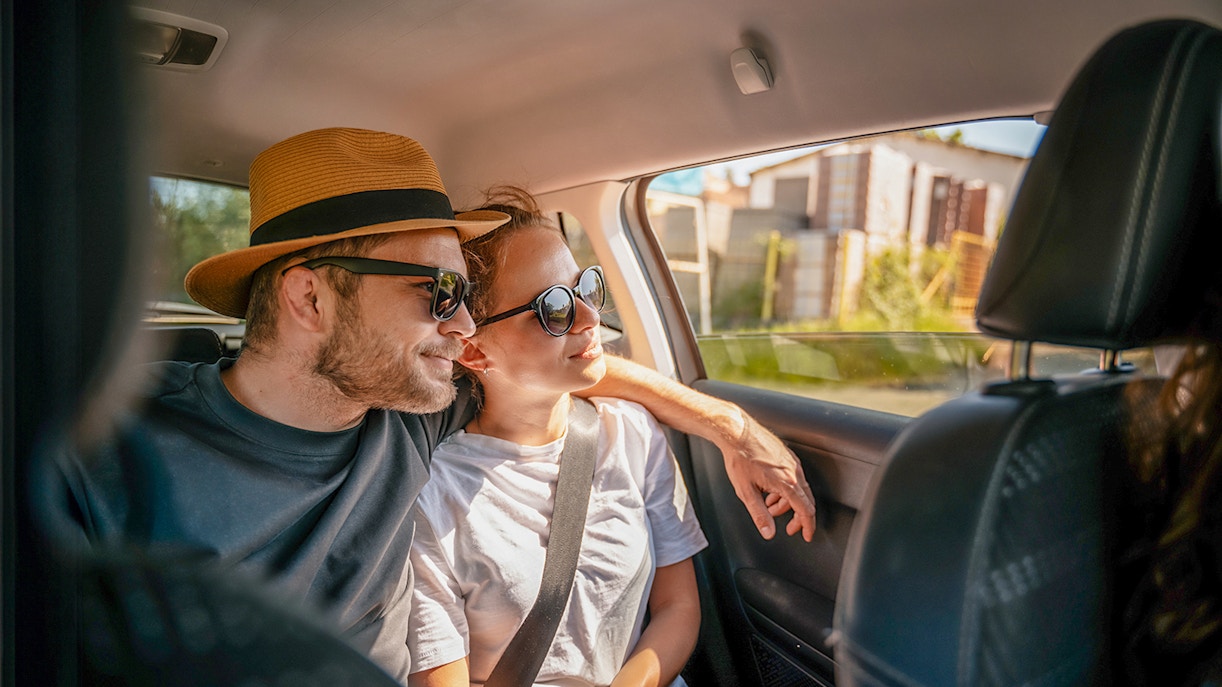
Tourists in a car enjoying a scenic drive, part of Similan Islands tour with hotel transfers.

Driving gives flexibility, especially if you’re traveling with family or gear, but parking is limited on Granville Island.

  • Time: Variable; expect congestion during weekends and peak hours
  • Cost: Paid parking on Granville Island ($5–$15/hour) or rideshare ($10–$25 one-way)
  • Best for: Groups, multi-stop itineraries, or travelers with extra gear
  • Pros: Door-to-door convenience, flexible schedule
  • Cons: Limited parking, traffic congestion, narrow streets
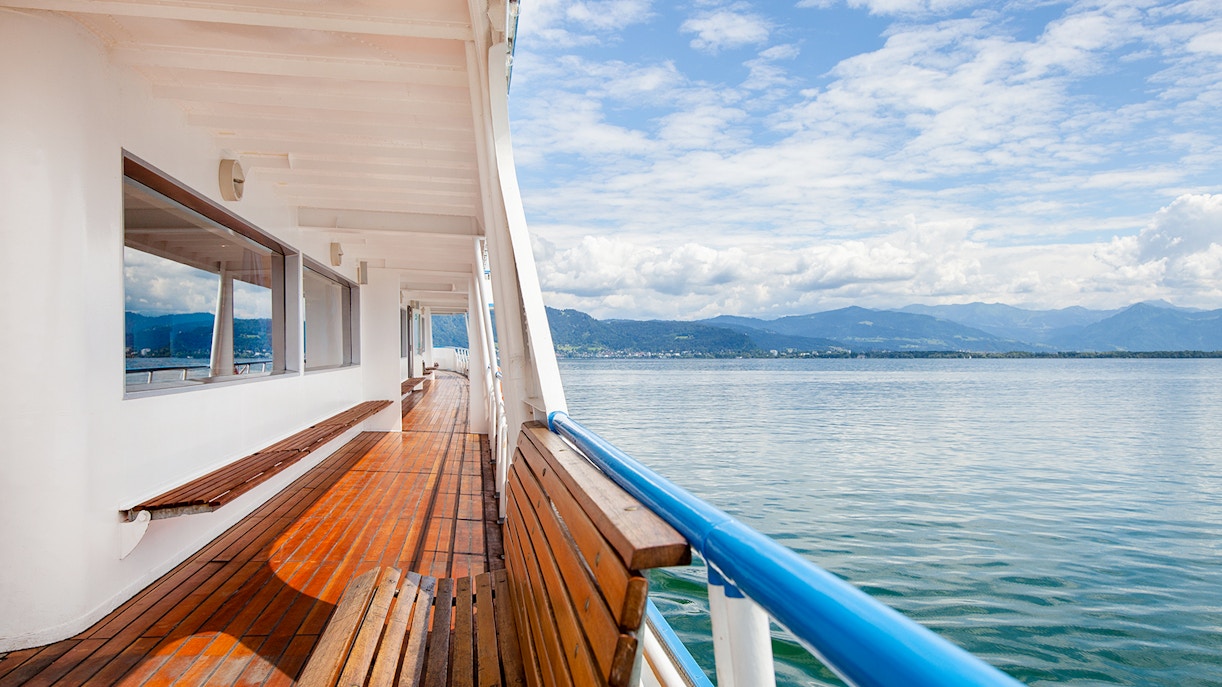
Ferry deck overlooking a calm lake with distant mountains.

Take a False Creek ferry or Aquabus from downtown or nearby docks for a scenic ride to Granville Island.

  • Time: 5–10 min from downtown docks
  • Cost: ~$8 per adult one-way; bike or extra gear may incur small fees
  • Best for: Guests seeking a scenic route or avoiding roads
  • Pros: Scenic, relaxing, avoids traffic
  • Cons: Weather-dependent; limited capacity

More things to do in Granville Island

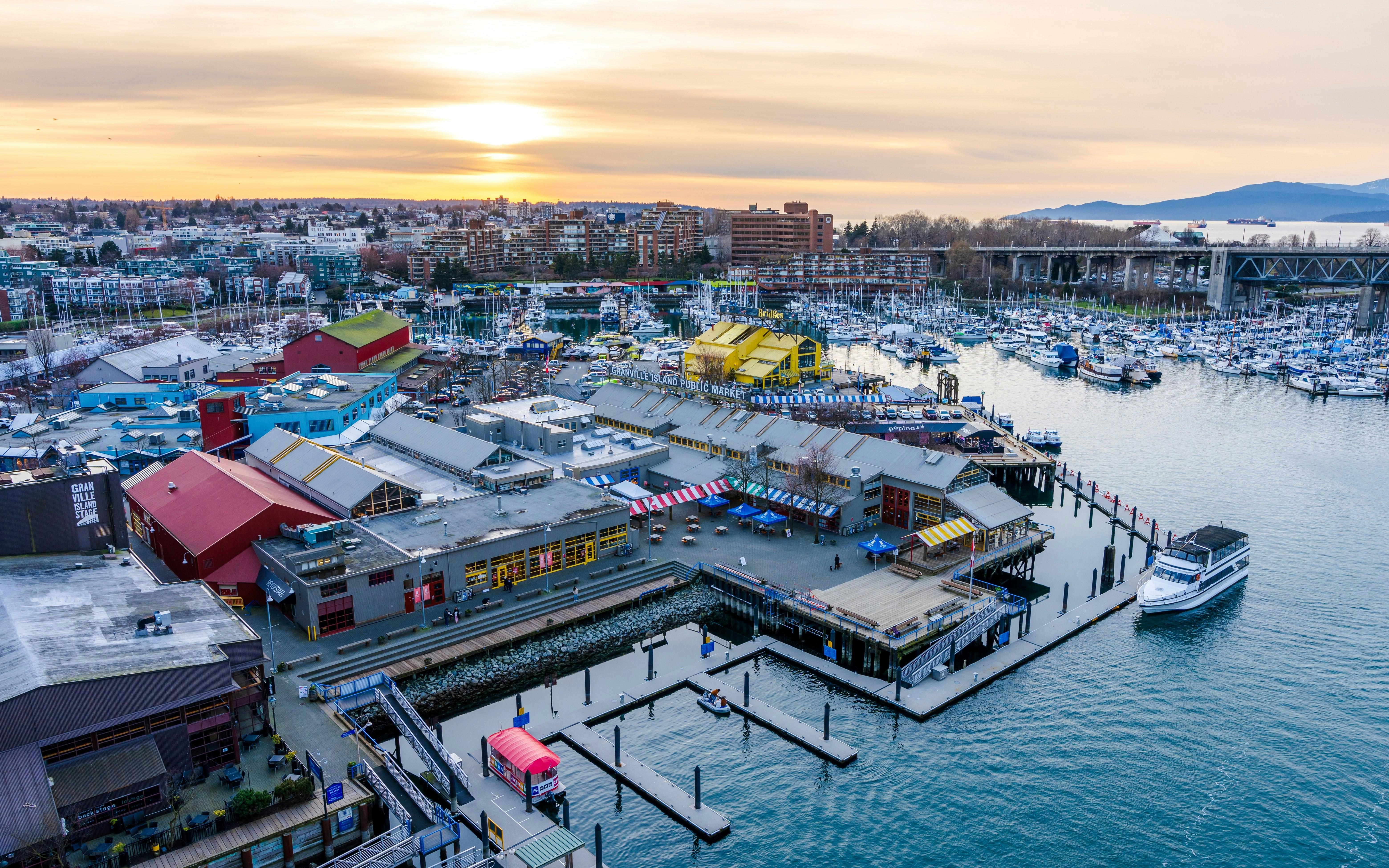
Granville Island Public Market and Marina at dusk with Vancouver skyline in the background, Canada.
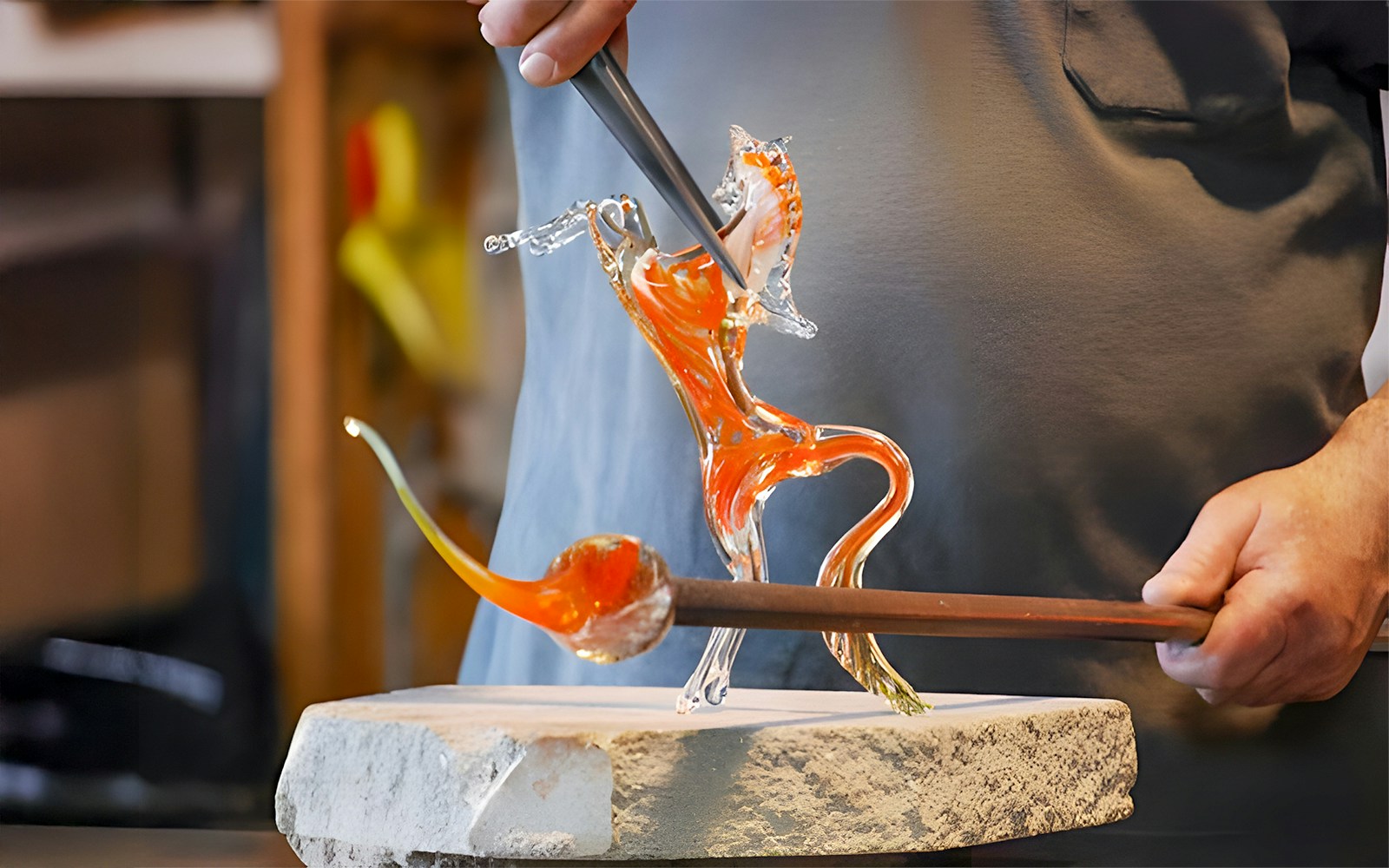
Murano glassblower shaping molten glass sculpture in Murano workshop.
Man observing artwork in an art gallery.
Family enjoying a movie in a theater, smiling and relaxed.
Girl and mother shopping for toys in a store.
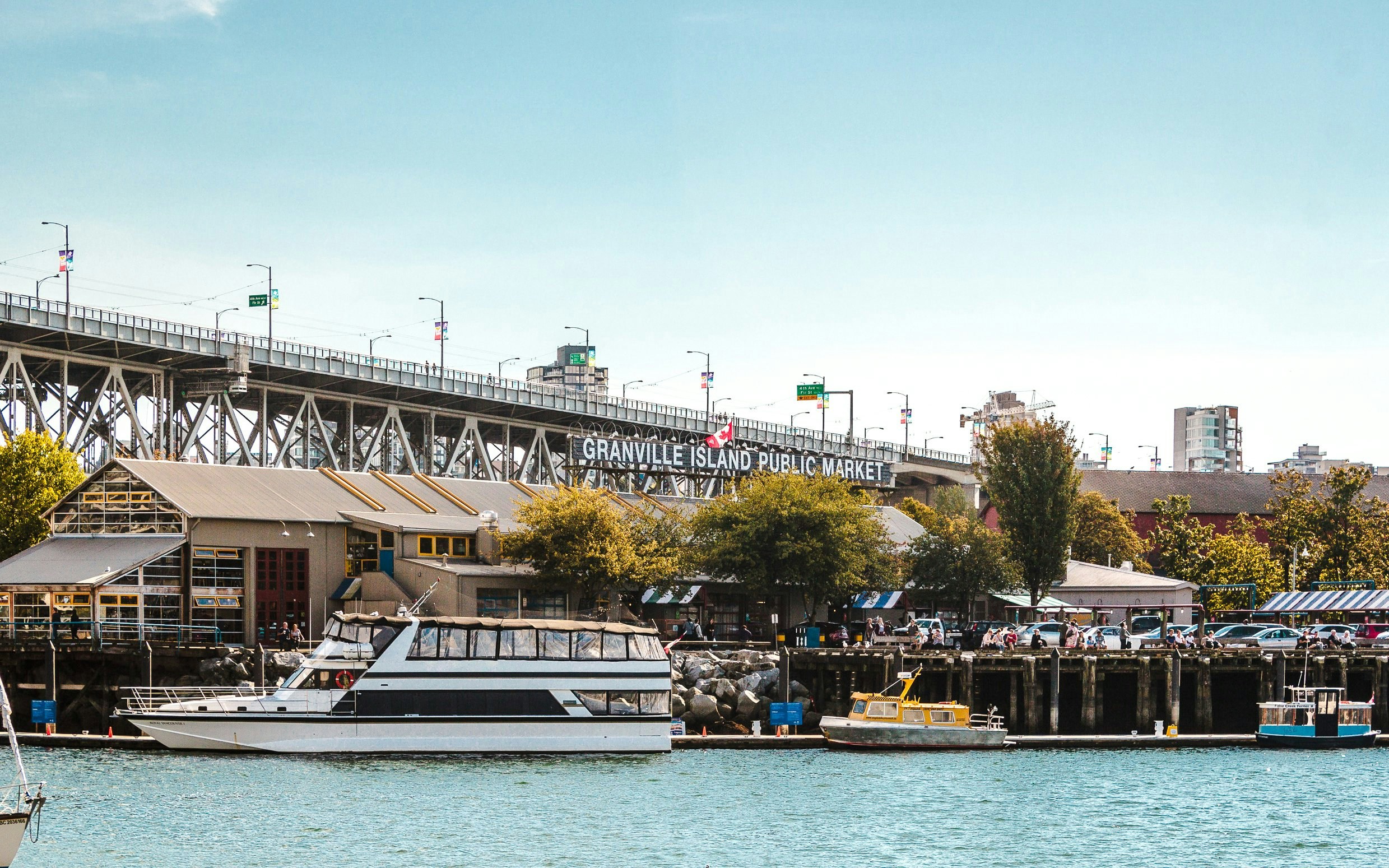
Granville Island Public Market with boats docked in Vancouver, Canada.
1/6

Granville Island Public Market

A lively food hall with fresh produce, cheeses, seafood, and baked goods. It’s perfect to grab a snack or stock up on local eats.

Railspur Alley Studios

Walk through Railspur Alley and watch artisans at work—glassblowers, potters, and jewelers create in open studios that welcome public viewing.

Art galleries & craft co‑ops

Visit the Circle Craft Co-op or Eagle Spirit Gallery to shop locally made ceramics, textiles, First Nations art, and more in a creative, vibrant setting.

Live theatre & improv

Catch a show at the Arts Club Theatre or laugh along with the improv troupe at the Improv Centre on Granville Island.

Kids market

A two-story indoor playground filled with toy shops, games, and play areas—ideal if you're traveling with kids.

Aquabus rides & waterfront strolls

Take a short ferry ride with the Aquabus or stroll the waterfront around the island; it’s relaxing and great for city views and people watching.

Where to eat in Granville Island

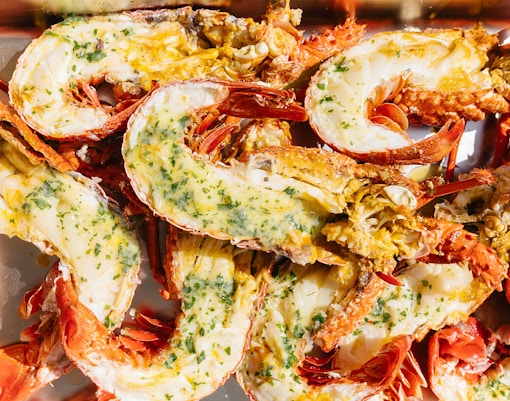
Grilled lobsters with herbs and butter on Rottnest Island Luxe Seafood Cruise.

Granville Island Public Market

The heart of Granville Island’s food scene, with dozens of food stalls serving seafood, international fare, baked goods, cheeses, and more.

  • Where it is: Granville Island Public Market [Find on Maps]
  • Cuisine: Multi‑cuisine / Market fare
  • Price point: Budget to mid-range
  • Must-try: Fresh seafood, market‑style small plates
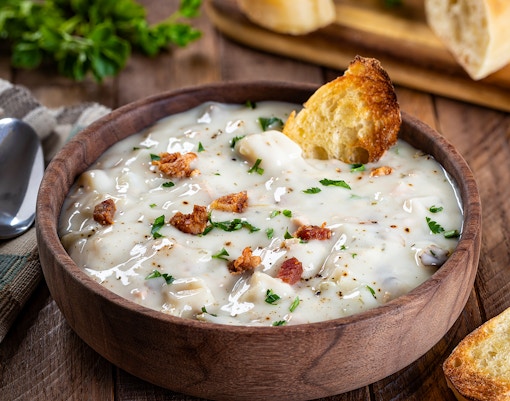
Clam chowder in a wooden bowl with bread and herbs, New England cuisine.

Tony’s Fish & Oyster Café

A casual, no-frills seafood cafe that’s loved for its fish & chips, chowder, and oysters.

  • Where it is: 1511 Anderson Street, Granville Island [Find on Maps]
  • Cuisine: Seafood / Casual
  • Price point: Budget to mid-range
  • Must-try: Clam chowder and battered fish
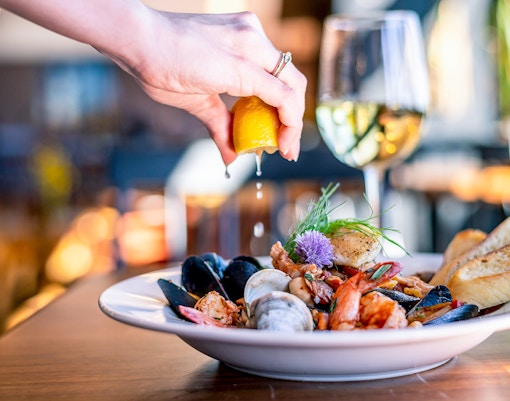
Seafood platter with lemon squeeze on Seville food tour.

The Sandbar Seafood Restaurant

A waterfront dining spot under the Granville Street Bridge with West Coast seafood, a rooftop patio, and live music.

  • Where it is: 1535 Johnston Street, Granville Island [Find on Maps]
  • Cuisine: Seafood / Pacific Northwest
  • Price point: Mid-range to upscale
  • Must-try: Seafood platter or fresh oysters
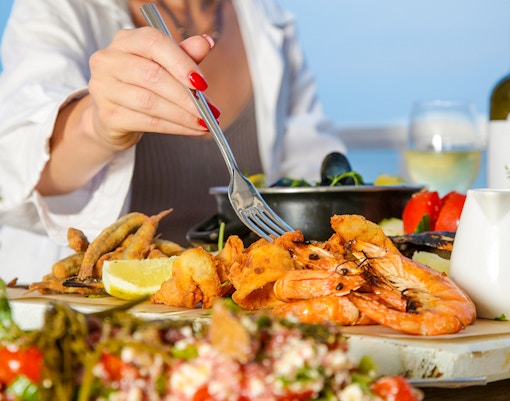
Seafood platter with shrimp and lemon at a beachside table.

Dockside Restaurant

Waterside dining with a full restaurant menu and stunning views of False Creek—perfect for brunch, lunch, or dinner.

  • Where it is: 1253 Johnston Street, Granville Island [Find on Maps]
  • Cuisine: Canadian / Regional
  • Price point: Moderate
  • Must-try: Seasonal seafood or chef’s daily specials
Pouring craft beer from a tank at Brooklyn Brewery.

Granville Island Brewing

A friendly brewery taproom serving craft beer and shareable bar snacks—a relaxing spot to unwind after touring the island.

  • Where it is: 1441 Cartwright Street, Granville Island [Find on Maps]
  • Cuisine: Pub / Bar Snacks
  • Price point: Mid-range
  • Must-try: Flight of local beers + house snacks

Where to shop in Granville Island

Woman browsing handmade jewelry in a Tenerife market shop.

Circle Craft Co‑op

A co‑op of 200+ artisans, offering unique and locally crafted keepsakes, such as handmade jewelry, ceramics, glass, textiles, and more.

Men shopping for clothes in a boutique, examining a striped shirt.

Granville Island Treasures

A curated boutique of ethically sourced fashion, artisan accessories, and locally made gifts.

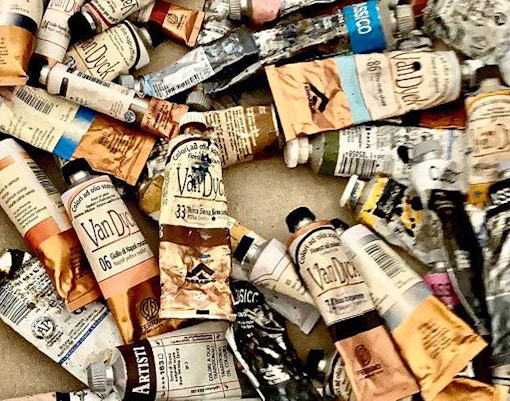
Paint tubes used in ancient craft workshops tour in Ortigia.

Opus Art Supplies

A go-to art‐supply shop in the Artisan District with a huge range of quality paints, brushes, craft tools, and studio inspiration.

Visitors observing artwork in a modern art gallery.

Wickaninnish Gallery

A gallery and shop specializing in Indigenous art, including carvings, jewelry, and prints, and supporting First Nations artists.

Spa essentials with natural soap bars, loofah, and skincare bottles arranged with plants.

The Granville Island Soap Gallery

Boutique soap and bath‑product shop with handcrafted, artisan-quality soaps.

Tips from locals

  • Arrive early: Allow at least 45–60 minutes, as check-in lines can get long on weekends and in the summer.
  • Dress in layers: Even on sunny days, the Salish Sea will be 10℃ cooler than land; bring your windproof outerwear, a hat, and sunglasses.
  • Take/carry medications: If you’re prone to seasickness, pop a pill at least 60 minutes before departure.
  • Listen and listen well: Guides are experts — paying attention will not only keep you safe, but they’ll also point out whale behavior, birds, and other wildlife.
  • Limit viewing: For the whales’ well‑being, avoid staying in one spot for too long; operators may follow best‑practices guidelines for maximum viewing durations.

Frequently asked questions about whale watching in Vancouver

When is the best season for whale watching in Vancouver?

The prime season runs from April to October, with June to September offering the most reliable sightings of humpback and orca whales. Spring sees migratory species, while summer gives calmer seas and longer daylight.

Are whale watching tours safe for kids and senior citizens?

Yes. Tours are family-friendly and operate at moderate speeds. Boats are stable, and staff provide safety briefings and life jackets for all ages. Seasickness precautions are recommended for passengers who are sensitive to motion.

Are there any rules or guidelines for interacting with wildlife during the tour?

Absolutely. You must never feed or touch animals, maintain distance, and follow the captain’s instructions. Quiet observation helps ensure minimal disturbance to marine life.

Is Vancouver or Victoria better for whale watching?

Both offer excellent experiences, but Vancouver is more accessible from the city and ideal for shorter trips. Victoria has larger vessels and may offer longer tours, sometimes reaching farther into the open ocean.

Is whale watching in Vancouver worth it?

Yes. You can see humpbacks, orcas, sea lions, bald eagles, seals, and more while enjoying stunning coastal scenery.

What wildlife am I most likely to see on a Vancouver whale watching tour?

You’ll likely spot humpback and orca whales, along with sea lions, bald eagles, harbor seals, porpoises, and other seabirds. Sightings vary by season and tides.

What should I bring on a whale watching tour (clothing, gear, etc.)?

Bring warm layers, waterproof jackets, hats, sunglasses, and binoculars. Cameras are a must for photos, and seasickness remedies can be helpful if you’re prone to motion sickness.

What type of boat does Vancouver whale watching take place in?

Tours are conducted on rigid-hull Zodiac boats, mid-sized catamarans, or larger passenger vessels, depending on the operator. Zodiac boats are faster and allow closer wildlife views, while catamarans offer more seating and stability.